



Art code
Art code copied

You can't see it in full detail right now, but you certainly will on your wall soon!
Scroll to zoom in, drag to move the artwork.
Drag with your finger to move the artwork.


Already filled more than 375,000 walls!

Get even more inspired
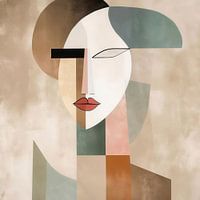
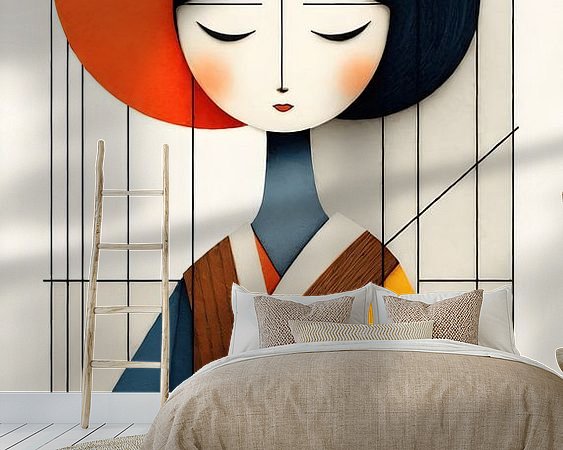
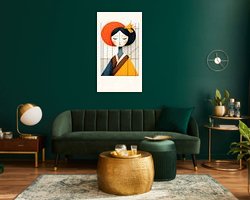
About ‘Geisha in Bauhaus’ by Jolique Arte
A geisha, captured within lines that both define and confine her. ‘Geisha in Bauhaus Rhythm’ is an intriguing interplay of tradition and modernity, in which the serene elegance of Japanese culture merges with the clear, rational formal language of the Bauhaus art style. What the viewer sees is not a classical depiction, but a…
Colors
Discover our ArtFrame
The modern canvas alternative
Your chosen art on a textile print, stretched in an aluminum or wooden frame. Quick and easy to change for a fresh look and exactly as you want it.
- High-quality print
- Easily replaceable
- Acoustic function
- Large formats possible
Meet the artist
Jolique Arte
Netherlands

I studied media art design and have always had a passion for art and photography. Art of the past particularly attracts me. For example, Renaissance, Baroque, 1920s and 45s.
Visit shop
Discover the artworks of Jolique Arte














Customer reviews
4.8/5

Related collections