






Art code
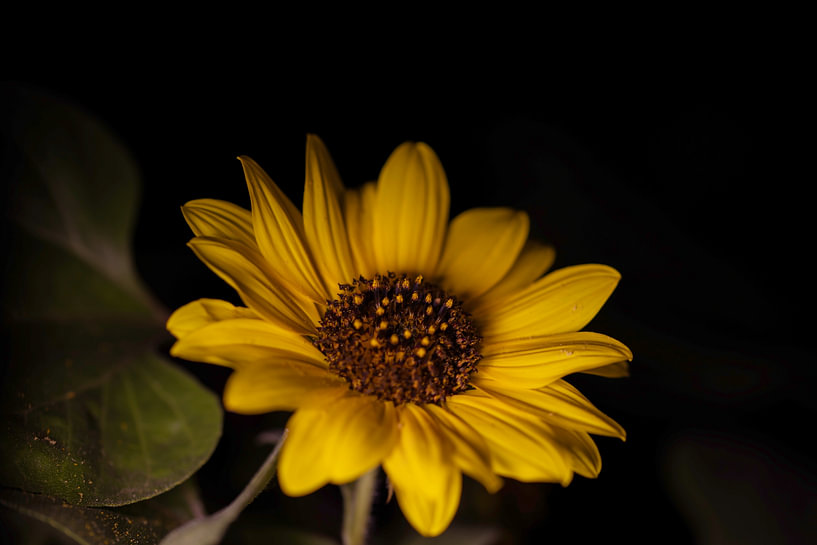
You can't see it in full detail right now, but you certainly will on your wall soon!
Scroll to zoom in, drag to move the artwork.
Drag with your finger to move the artwork.
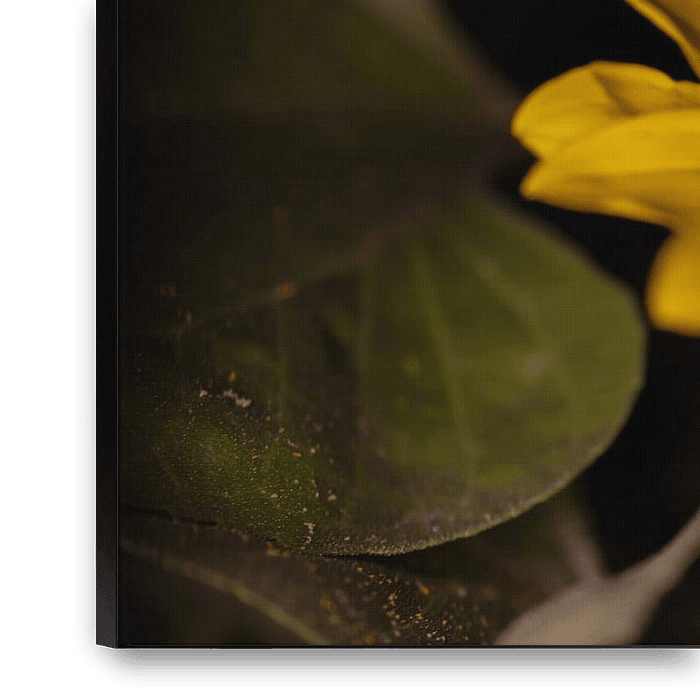

Already filled more than 375,000 walls!
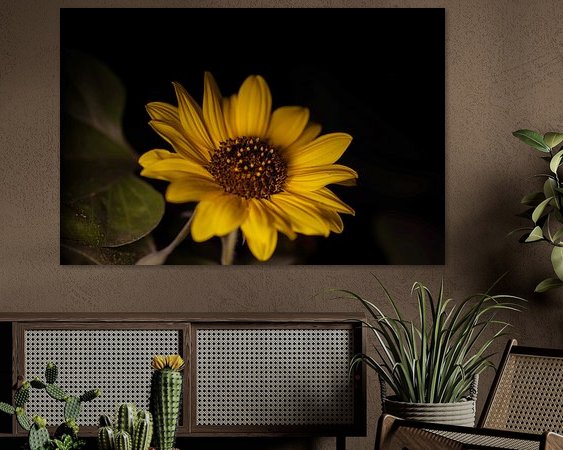
Get even more inspired
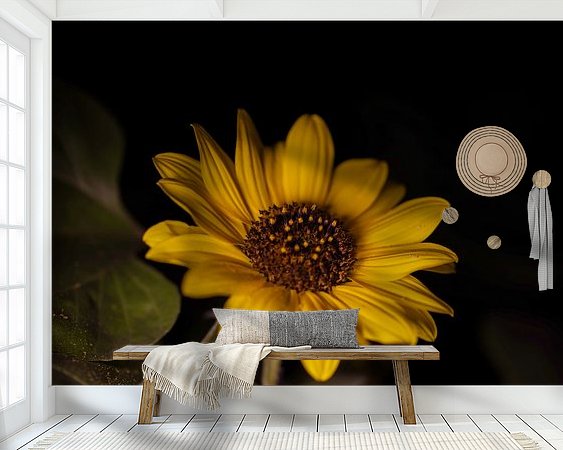
About ‘sunflower’ by anne droogsma
Did you know that the sunflower is native to North and Central America? Thousands of years ago, indigenous peoples used it for food (the seeds), for oil and as an ornamental flower. It wasn’t until the 16th century that the sunflower made its radiant debut in Europe, where it quickly became popular. Since then, it has been found not…
Colors
Discover our ArtFrame
The modern canvas alternative
Your chosen art on a textile print, stretched in an aluminum or wooden frame. Quick and easy to change for a fresh look and exactly as you want it.
- High-quality print
- Easily replaceable
- Acoustic function
- Large formats possible
Meet the artist
anne droogsma
Netherlands

My name is Anne.
I regularly go out with my camera. I do so with great pleasure and always find gifts appearing on my screen.
This I want to share!
Discover the artworks of anne droogsma












Customer reviews
4.8/5

Related collections