We work with several carriers, mainly UPS and DHL (Depending on the country where it is delivered, this may vary). Couriers can also be used for large or fragile packages.
Canvas are securely packed in plastic bubble wrap and cardboard. Wallpaper and posters are sent in sturdy tubes.
A courier collects the package from us and takes the package to a depot where it usually stays overnight. The day after it is collected and delivered to your home or office. We work with courier services that specialise in handling fragile parcels.
Not at home? Then the delivery driver will leave a note and an appointment can be made to schedule a new delivery.
Unfortunately, there remains a chance that something can happen during a shipment. In the unlikely event that your parcel has been damaged during transit, please take a picture of the entire item, the damage, the entire package and a picture of the shipping label. Send these photos to us by email and we will solve the problem without delay.

















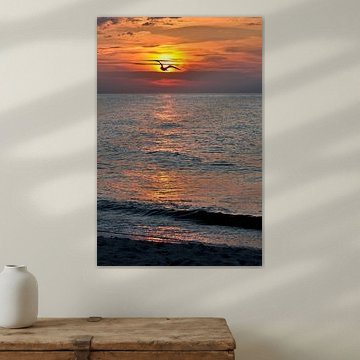



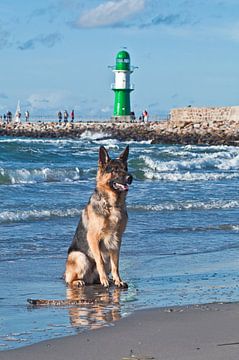



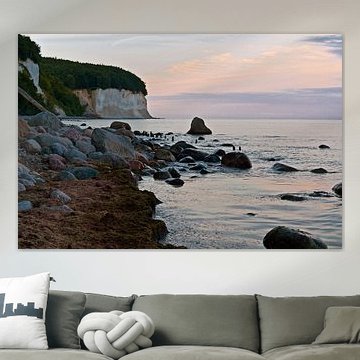
















 ANDALUSIEN93 artworks
 BERLIN180 artworks
 SPRING101 artworks
 PALERMO59 artworks
 BLACK and WHITE224 artworks
 SICILY249 artworks
 Analogue photography50 artworks
 OSTKÜSTE SIZILIEN147 artworks
 VIETNAM36 artworks
 Baltic Sea50 artworks
 COUNTRY OF BRANDENBURG142 artworks
 INDIAN SUMMER92 artworks
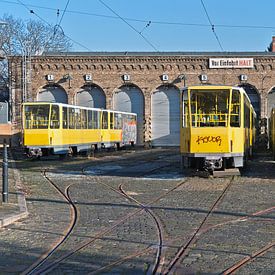 LOST PLACES163 artworks
 FRANCE18 artworks
 DENMARK - Jutland32 artworks
 ART NOUVEAU14 artworks
 BLUMEN / PFLANZEN128 artworks
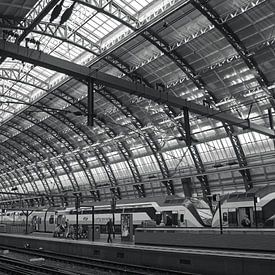 NETHERLANDS19 artworks
 NATURE488 artworks
 FASHION7 artworks
 WINTER51 artworks
 JAPANDI-KUNST33 artworks
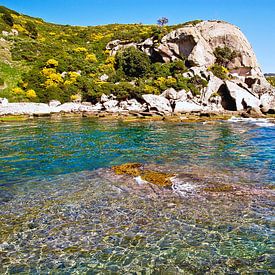 SARDINIA6 artworks
 STILL LIFE29 artworks
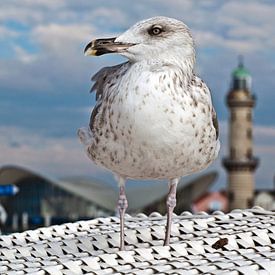 ANIMALS53 artworks
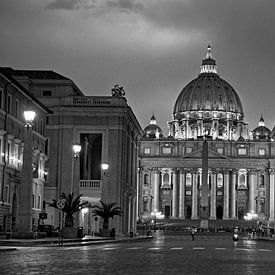 ITALY - ROME13 artworks
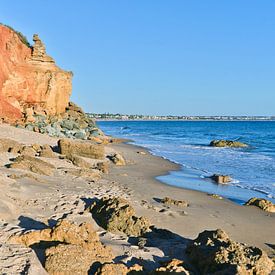 SPAIN97 artworks
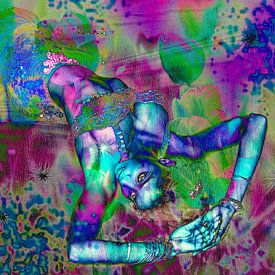 SURREAL COLLAGE49 artworks
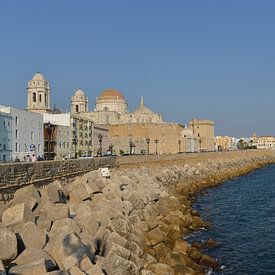 SOMMER der FARBEN157 artworks
 POETRY / QUOTES8 artworks
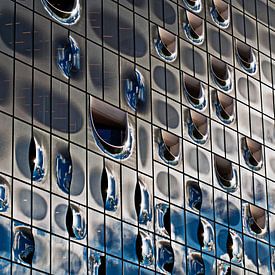 HAMBURG7 artworks
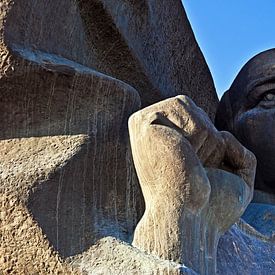 MEMORIAL36 artworks
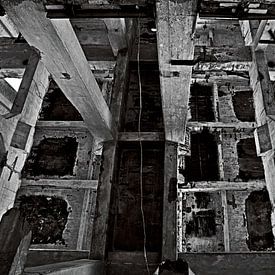 POLAND6 artworks
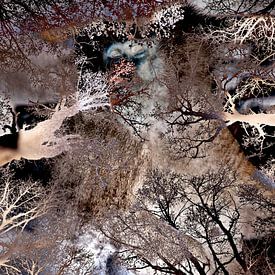 MOCHA MOUSSE6 artworks
 POTSDAM2 artworks