
Stock Exchange
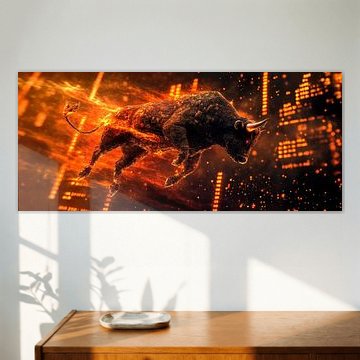
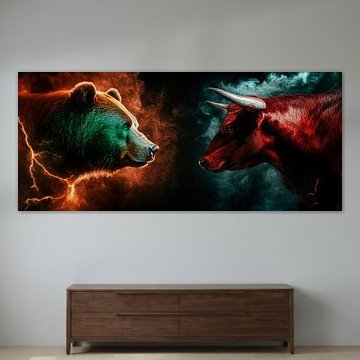
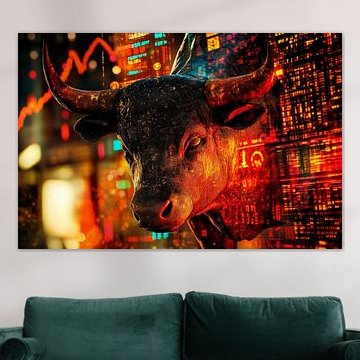
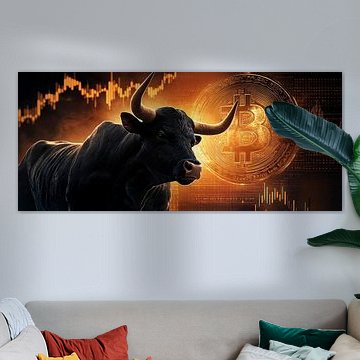
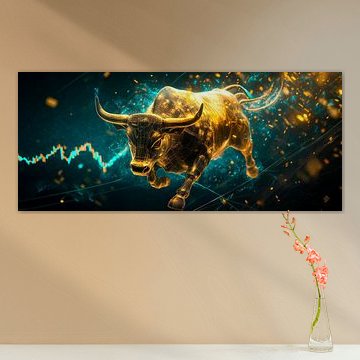
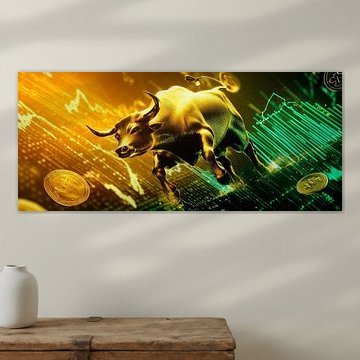
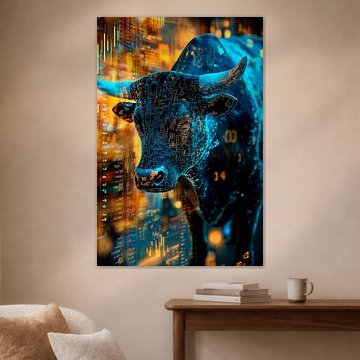
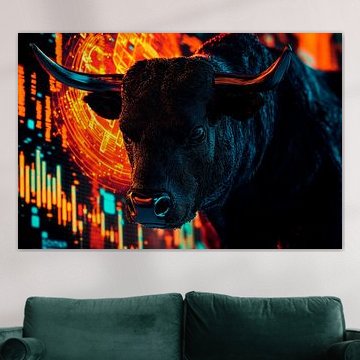
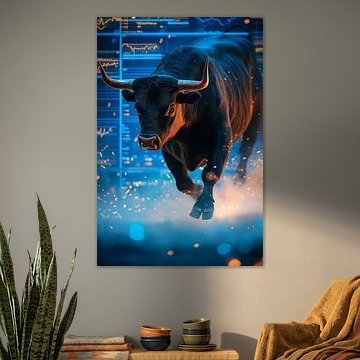
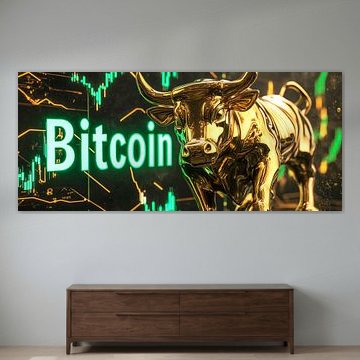
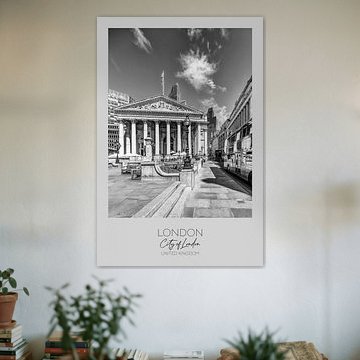
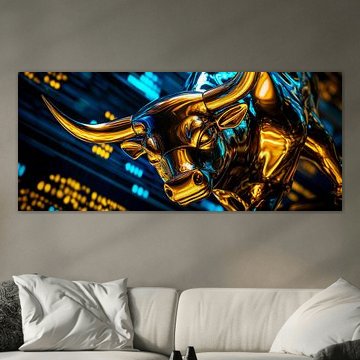
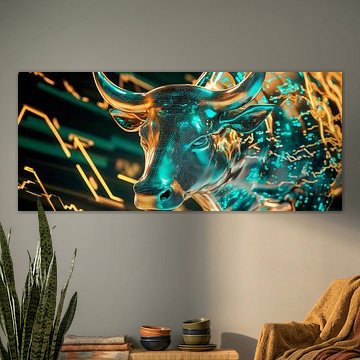
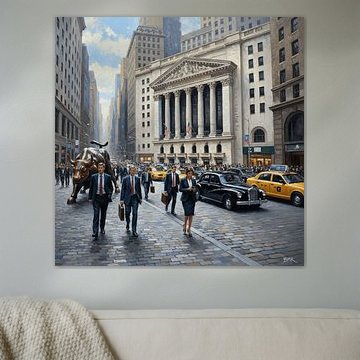
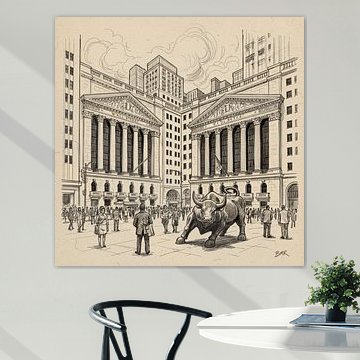
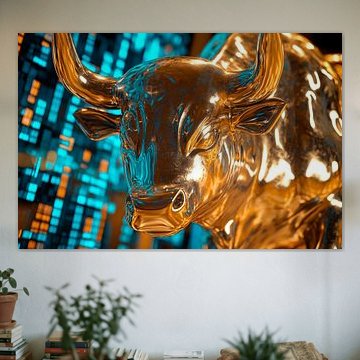
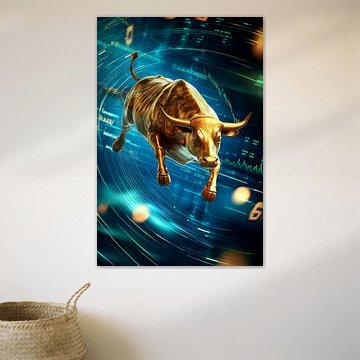
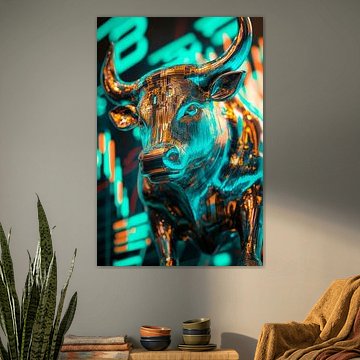
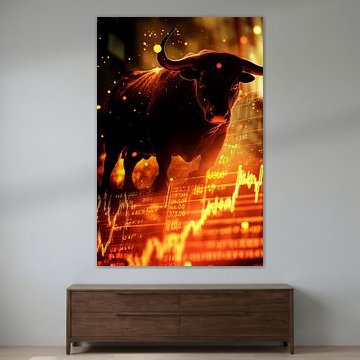
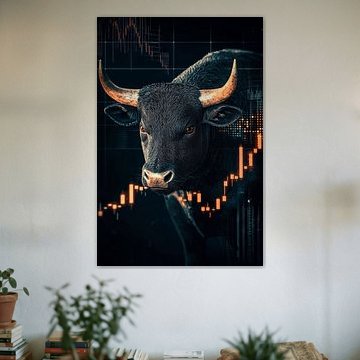
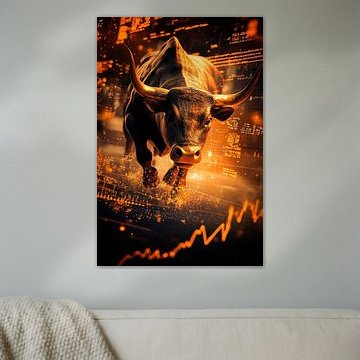
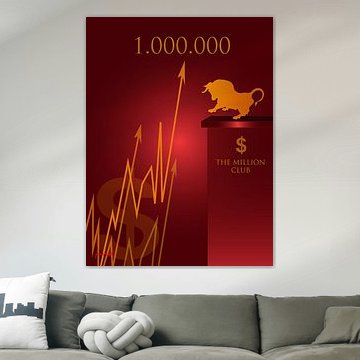
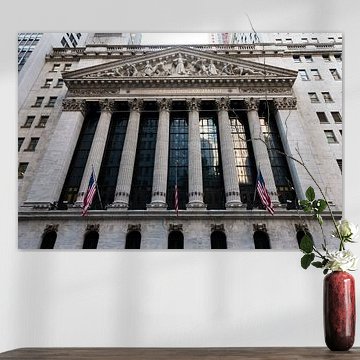
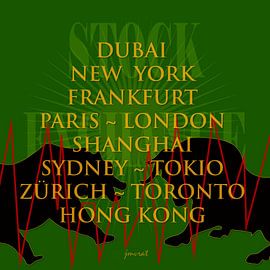
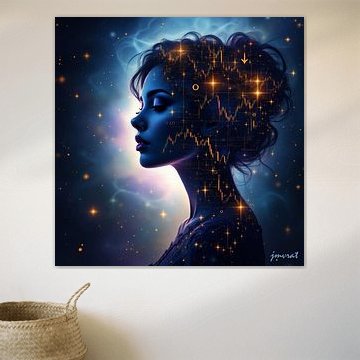
Vintage stock exchange imagery brings character and history to your walls. These prints capture the energy of trading floors, ticker tapes, and financial hubs from decades past. Their muted tones and detailed composition fit industrial, modern, or eclectic interiors beautifully, while the nostalgic charm adds depth to any room.
At Art Heroes, every piece is custom-made and ships free. Browse materials like Canvas, Poster, and more to find what works for you.
-
More artworks below this tip
Match your room's character
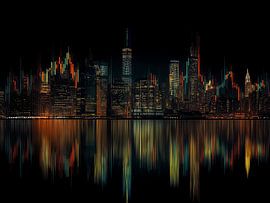
City skylines bring a contemporary, cosmopolitan feel that complements modern interiors with clean lines and minimal clutter. These artworks suit spaces where you want to add visual interest without overwhelming the room - think home offices, dining areas, or bedrooms with a calm, focused atmosphere. The evening tones in New York City Skyline create a sophisticated backdrop in spaces where you entertain or unwind.
AnthiStylist & Customer service Questions? Check out our FAQ











































Trusted and loved
Customers rate us 4.8!
High-quality materials
Sustainable and long-lasting beauty
Different sizes
From small to large, anything is possible.
Made for you
Made the moment you order.


More like this






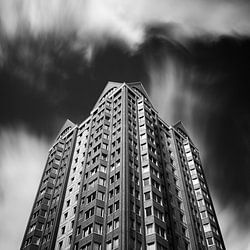

Which colors from the Stock Exchange collection suit an industrial interior?
The Stock Exchange collection pairs brown, terracotta, and orange tones with an industrial style to create a warm contrast against exposed brick or metal accents. These earthy shades soften raw materials like concrete and steel, adding depth without competing with the room's architectural character. Combine a brown-toned piece with white details to balance the look, or let terracotta and blue create unexpected harmony in a loft-style space.
A good spot for Stock Exchange art in your office
Stock Exchange artworks work well in an office, where the powerful and vibrant moods support focus and creative energy. The bold color palette - especially orange and terracotta - adds warmth to workspaces that might otherwise feel too neutral or sterile. Hang a piece behind your desk or on the wall opposite your workspace to keep the energy visible without overwhelming your concentration. The nostalgic mood can also spark inspiration during long projects.
Which format works best for Stock Exchange pieces?
Stock Exchange artworks are available in several formats, though horizontal prints tend to suit most placements. A horizontal format works well above a sideboard or desk, filling the width of the furniture without dominating the wall. If you're working with a narrow hallway or a tall wall beside a doorway, a vertical format creates better balance. Choose the format that mirrors the shape of your available wall space for a cohesive look.